
Premium Kyusu
🔸Teapot "Kaiyû Kyusu" 240ml by Tomohiro - 朋大 灰釉
【 Product Type: Kyusu 急須, Tokoname ware, Masterpiece 】
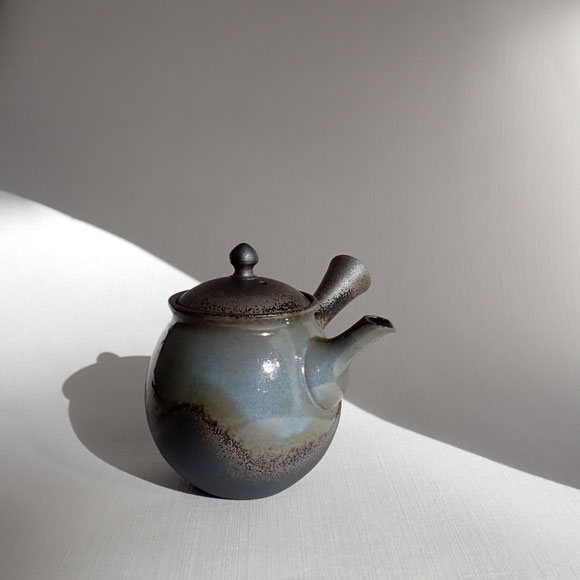
This unique teapot is hand-tutned from natural clay and fired at high temperatures using wood ash as an overglaze. This technique, known as “kaiyu” (ash glazing), is one of the traditional glazing methods of Tokoname ware.
The ash glaze, which shifts in hue from green to blue, spreads beautifully across the entire vessel in undulating waves.
Made by Sawada Tomohiro (澤田朋大), who was born in 1975 and is one of Tokoname's younger kyusu craftsmen. When fired at high temperatures in the kiln, the wood ash melts into a green, with the exact hue varying depending on the type of wood used. Every aspect of this teapot, from the clay to the glaze, is carefully selected and mixed by Tomohiro Sawada Fujita himself. *Due to the nature of handmade ceramics, slight variations may occur in color, texture, size, and design
With integrated hand-pierced ceramic strainer, 240ml.
■ built-in ceramic strainer
■ unglazed interior
■ volume (approx.)
300 ml (100% filled), 240 ml (80% filled)
Diese einzigartige Teekanne wurde aus natürlichem Ton von Hand gedreht und bei hohen Temperaturen gebrannt, wobei Holzasche als Überglasur verwendet wurde. Diese als „Kaiyu“ (Ascheglasur) bekannte Technik ist eine der traditionellen Glasurmethoden der Tokoname-Keramik.
Die Ascheglasur, deren Farbton von Grün zu Blau wechselt, verteilt sich wunderschön in wellenförmigen Mustern über das gesamte Gefäß.
Hergestellt von Sawada Tomohiro (澤田朋大), geboren 1975, einem der jüngeren Kyusu-Handwerker aus Tokoname. Beim Brennen bei hohen Temperaturen im Ofen schmilzt die Holzasche zu einem Grün, wobei der genaue Farbton je nach verwendeter Holzart variiert. Jeder Aspekt dieser Teekanne, vom Ton bis zur Glasur, wird von Tomohiro Sawada Fujita selbst sorgfältig ausgewählt und gemischt. *Aufgrund der Natur handgefertigter Keramik können leichte Abweichungen in Farbe, Textur, Größe und Design auftreten.
Mit integriertem, handgefertigtem Keramikfilter, 240 ml.
■ eingebautes Keramiksieb
■ unglasierter Innenraum
■ Volumen (ca.)
300 ml (100% gefüllt), 240 ml (80% gefüllt)


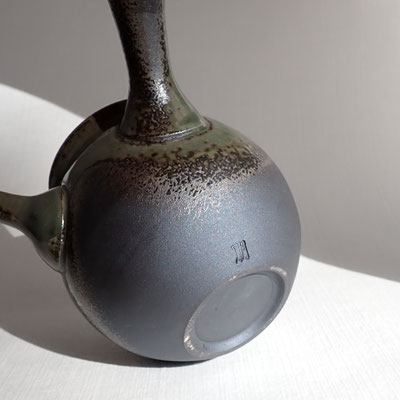


☆Tomohiro "Kaiyu Kyusu" 240 ml
【 volume / Volume (ca.) 】
300 ml (voll), 240 ml (80% vollmenge)
【 size (approx.) / Maße (ca.) 】
(without Handle and Lid / Durchmesser ohne Griff x Höhe ohne Deckel)
Φ 8,5 x H. 8,3 cm
【 weight (approx.) / Gewicht (ca.) 】
180 g
【 material / Material 】
Ceramic (Pottery) / Keramik (Töpferei) - Tokoname ware
【 Artist, Studio 】
Meister Sawada Tomohiro
【 origin / Herkunft 】
Aichi, Japan
【 packaging / Verpackung 】
original Karton
* Please handwash to clean your kyusu.
* Do not use this teapot in the microwave or dishwasher.
* Bitte reinigen Sie Ihren Kyusu mit der Hand.
* Verwenden Sie diesen Kyusu nicht in der Mikrowelle oder Spülmaschine.
153,00 €
inkl. MwSt, versandkostenfrei in bestimmte Länder
Versandkostenfrei in folgende Länder: Deutschland
- Lieferzeit 2-3 Werktage *1 / Shipping 2-3 working days *1
About the Artist
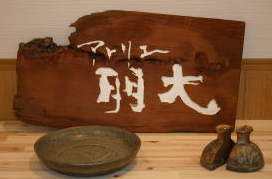
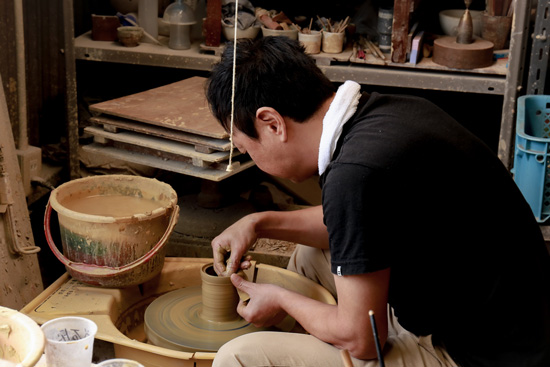
Sawada Tomohiro (澤 田 朋 大)
In 1975, Sawada Tomohiro was born into a family of Tokoname potters as the fourth generation in Aichi Prefecture. In particularly, his grandfather, Sawada Yoshiharu, was a great potter known as "Jyouan," and he used to turn the potter's wheel as a matter of course from an early age beside them.
He has won many ceramic awards in Japan.
He is known for creating modern and unique tea utensils with a young sensibility while faithfully following traditional techniques.
🔸常滑焼 TOKONAME-YAKI - A tradition of quality
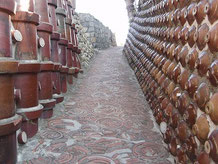
Tokoname (常滑) is located near Chubu International Airport in southern Nagoya, Aichi Prefcture. High quality earthenware has been produced here since the 12th century, and still now, Tokoname is a center of pottery production in Japan.
Tokoname is one of Japan's six most important ancient kiln towns - the others are Bizen (備前), Echizen (越前), Seto (瀬戸), Shigaraki (信楽) and Tanba (丹波) - had the largest output of ceramics of any kiln town in the Edo Period (1600-1868).
In particular, Tokoname used to be the main production site for ceramic water pipes. In modern times, it is known around the world for its ornaments such as tea sets and beckoning cats.